Customs treatment depends on the object, its origin, value, ownership, movement purpose and destination. The supporting records must describe the same movement accurately and consistently.
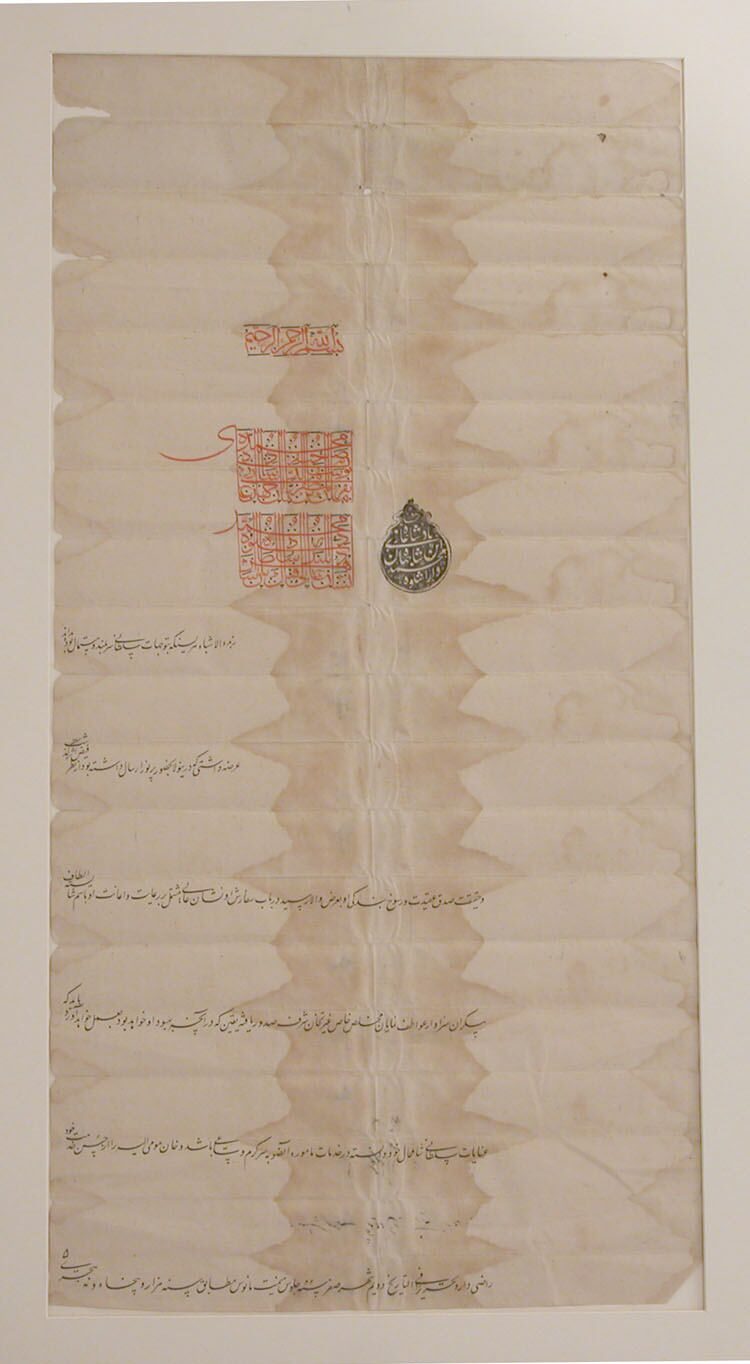
Firman of Dara Shikoh, 1649–50
01
Movement Definition
The customs procedure begins with a clear description of what is moving, why it is moving and what will happen to it after arrival.
Object identification
Artist or maker
Title or description
Materials and technique
Country and date of origin
Dimensions and quantity
Declared or insurance value
Purpose of movement
Owner, seller, lender and consignee
Final destination
02
Document Review
Available commercial, ownership and transport records are checked for consistency before the declaration is prepared.
Commercial or pro forma invoice
Packing list
Object schedule
Certificate of origin
Ownership or purchase records
Valuation or insurance schedule
Transport documents
Loan agreement references
Permits and approvals
Authorised-party details
03
Customs Procedure
The selected procedure must match the purpose and intended duration of the movement.
Permanent import
Permanent export
Temporary admission
Temporary export
Re-export
Transit movement
Free-zone transfer
Bonded movement
Duty and tax review
Guarantee or deposit requirements
Special Considerations
Some movements require additional evidence or approval.
Cultural Property
Age, origin, archaeological status, export restrictions and supporting ownership history may affect whether an object can move and which documents are required.
Restricted Materials
Ivory, certain woods, animal materials, precious materials or protected species may require permits, scientific identification or route-specific review.
Temporary Imports
Exhibition and loan objects must remain identifiable against the original entry, customs deadline, guarantee or deposit and eventual proof of re-export.
Values and Classification
Declared values and tariff classification must be supported by the movement records. Artificial undervaluation or incomplete descriptions are not accepted.
Arrival and Release
Clearance follows document readiness.
Transport arrival, document submission, customs review, inspection requirements, duty or tax settlement and final release are coordinated against the delivery programme.
Record Closure
The file follows the object.
Entry, release, delivery, re-export and proof-of-exit records are retained against the relevant object references so the customs history remains traceable.
Customs Management
One coordinated documentary process.
NOOR L'Atelier manages the information flow between the client, shipper, consignee, transport parties, customs representatives and receiving location. Final declarations remain subject to the applicable authority’s review and requirements.
Request a Customs Review
Provide the object and movement records.
Share the object description, origin, destination, value, ownership information, movement purpose and available commercial or loan documents.