Insights
Fine-art logistics insights.
Practical guidance for planning the movement, storage and installation of artworks and cultural objects.
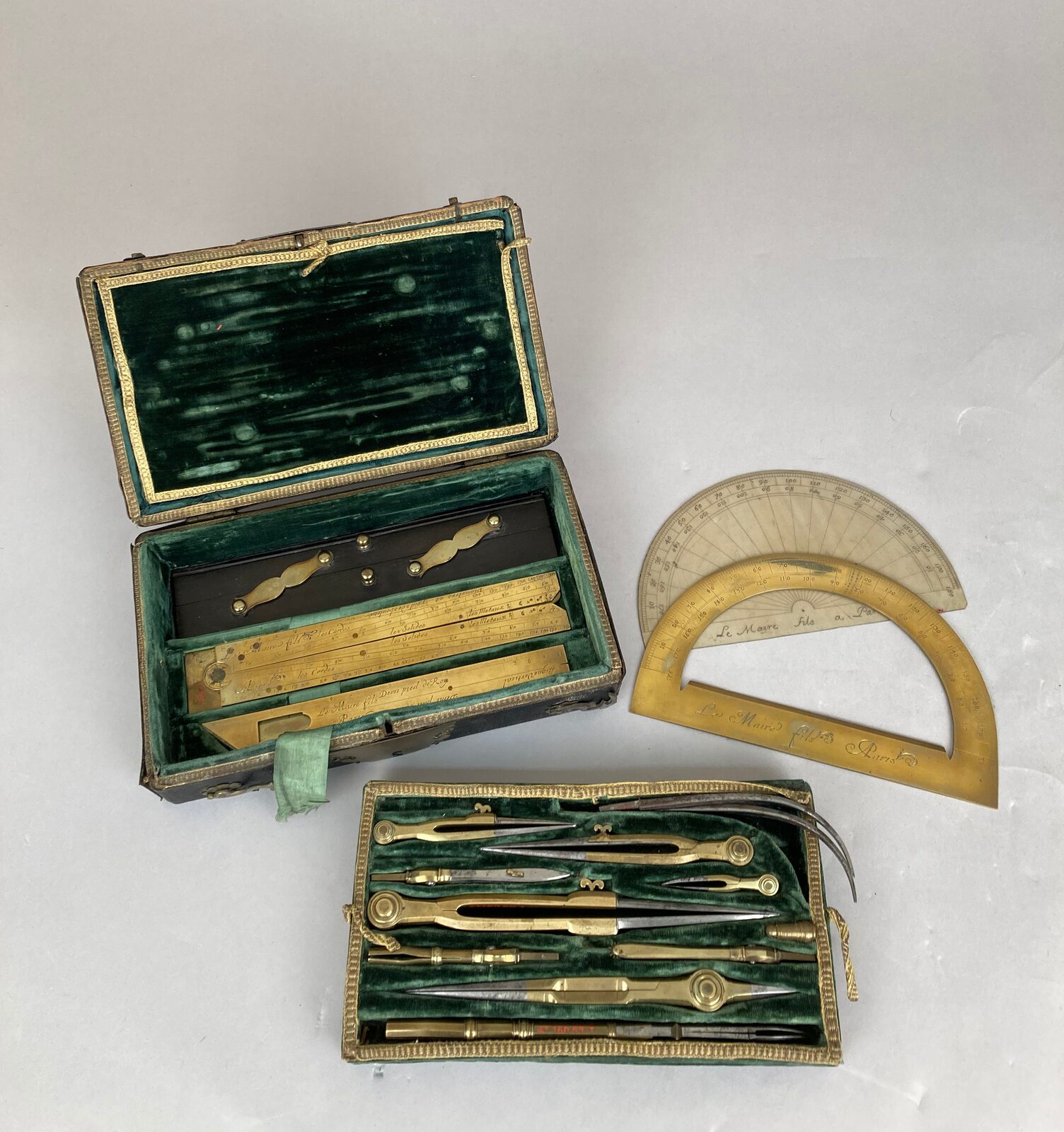 Draughtsman’s Instruments, 18th century
Resource Centre
Better information supports safer planning.
These notes explain the practical information commonly needed before a fine-art logistics assignment can be specified, priced and scheduled.
01
Before Requesting a Quotation
A useful quotation begins with an accurate understanding of the object, route and required services.
- Object descriptions and quantity
- Dimensions and weight
- Framed or unframed status
- Current photographs and packing condition
- Origin, destination and access restrictions
- Required dates and services
- Declared or insurance value
- Import, export, sale, loan or exhibition purpose
Missing information may result in provisional pricing or later changes to the service scope.
02
How to Measure an Artwork
Record height, width and depth in one consistent unit and make clear whether measurements describe the object or its packing.
- Measure framed works to the outside edges of the frame
- Measure sculpture at its widest points
- List a base, plinth or detachable component separately
- Provide packed or crated dimensions as a separate set
Photographs with a scale reference can help confirm unusual shapes, but do not replace exact measurements.
03
Preparing for a Residential Collection
The collection method depends on the artwork and the complete route from its display position to the vehicle.
- Property access and parking
- Service lift availability
- Lift, doorway and corridor dimensions
- Building operating hours
- Object location and physical obstacles
- Floor and wall protection
- An authorised contact on site
- Confidentiality requirements
Do not remove an artwork from display before the handling and packing method has been reviewed.
04
Understanding Customs Values
Customs values must be supported by appropriate records and accurately reflect the purpose of the movement.
- Commercial sale invoice
- Pro forma invoice
- Insurance value
- Loan value
- Independent valuation where applicable
The declared value can affect duties, taxes, deposits and guarantees. Artificial undervaluation is not acceptable.
05
Temporary Imports for Exhibitions
Temporary admission requires close control from entry through re-export and formal customs closure.
- Object references and values
- Entry declaration details
- Guarantee or deposit requirements
- Temporary-admission expiry date
- Extensions where permitted
- Re-export documentation
- Proof of exit and customs closure
The file is not complete when the exhibition ends; it closes only after the objects are re-exported and the customs procedure is discharged.
06
Choosing Air or Sea Freight
The correct mode depends on the object, packing, dimensions, urgency, route, budget and acceptable handling exposure.
- Air freight generally offers shorter transit times
- Aircraft capacity and crate dimensions may limit options
- Airfreight pricing is affected by chargeable weight
- Sea freight can accommodate larger consignments
- Sea routes require longer lead times
- Container, port and transshipment arrangements require careful review
The fastest route is not automatically the most suitable route for every artwork.
07
When Bonded Storage May Be Required
Bonded storage can hold imported objects under customs control before re-export or local clearance.
- Applicable customs procedure
- Permitted storage period
- Access and inspection requirements
- Intended onward destination
- Approval for any authorised movement
The customs status and intended next step should be established before the object enters storage.
08
Planning Installation Day
Installation planning connects the artwork, arrival route, prepared site and authorised decision-makers.
- Arrival time and site readiness
- Unpacking location
- Final position and orientation
- Fixing or mounting method
- Wall and floor construction
- Equipment and installer access
- Curator, designer or client attendance
- Removal or retention of crates and materials
- Final positioning approval
A confirmed display position is not sufficient if the delivery route and installation conditions remain unchecked.
Ask NOOR L'Atelier
Planning a movement?
Share the object details, route, dates and required services. We will help identify the information needed to define the next step.
Submit an Enquiry